
The 12 Worst Types Of People You Follow On Twitter
본문
Comprehensive Guide to Car Door Lock Repair: Troubleshooting and Solutions
The integrity and performance of a vehicle's door locks are vital for both the security of the car and the safety of its residents. Car door locks can experience a variety of concerns, varying from small mechanical glitches to finish failures. This post looks for to offer an informative overview of car door lock repair, laying out common problems, diagnostic treatments, and solutions.
Comprehending Car Door Locks
Before diving into repair procedures, it is important to comprehend the parts of a typical car door lock. There are two main kinds of locks: mechanical and electronic.
Parts of a Car Door Lock System
- Lock Cylinder: The part where the key is placed.
- Latches: Mechanisms that hold the door shut.
- Actuator: Electric motor in electronic locks that helps in locking and opening.
- Linkage: Connects the lock cylinder to the lock.
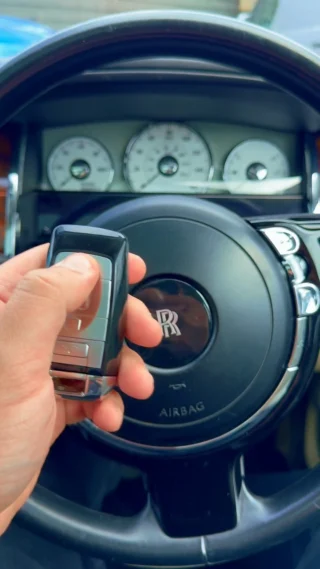
- Remote Key Fob: In electronic systems, this is utilized to lock and unlock the doors from a distance.
Typical Issues with Car Door Locks
Car door locks can fail for a wide variety of factors. Here are some common problems experienced by vehicle owners:
- Sticking or Frozen Locks: Especially in winter, locks can end up being challenging to run.
- Lock Not Engaging or Disengaging: Both mechanical and electronic locks can face issues where they do not react to the key or remote.
- Key Jams: The key may get stuck in the lock, making it difficult to lock or unlock the door.
- Remote Malfunction: In electronic systems, the key fob may not work due to battery problems or programming problems.
- Physical Damage: Vandalism or mishaps can harm the lock system.
Fixing Car Door Lock Issues
When a car door lock is not working properly, it is very important to detect the problem precisely before proceeding with a repair. Below are actions that can help repair the problem:
Step-by-Step Troubleshooting
Visual Inspection:
- Check the door lock and surrounding components for visible damage.
- Take a look at the key for wear and tear.
Evaluate the Key:
- If the lock is sticking or not engaging, try using an extra key if available.
- Ensure the key is clean from dirt and particles.
Examine the Actuator:
- Listen for any noises when pushing the key fob. A clicking sound may indicate a malfunctioning actuator.
Examine Door Wiring:
- Check the wiring that connects the door lock to the vehicle's electrical system.
- Try to find disconnected or torn wires.
Temperature level Influence:
- If the lock is sticking in cold weather condition, use lithium grease to assist oil the system.
Fixing Common Door Lock Issues
As soon as the problem has actually been identified, the repair can start. Here are some common repair methods for different issues:
Fixing a Sticking or Frozen Lock
- Cleaning: Use a graphite lubricant or silicone spray to tidy and oil the system.
- Heating: If frozen, use a hairdryer to warm the location around the locking mechanism thoroughly, preventing getting too hot.
Repairing a Lock Not Engaging/Disengaging
Lock Cylinder Replacement:
- If the lock cylinder is used, think about replacing it. This often includes prying off the door panel to access the lock system.
Actuator Replacement:
- For electronic locks, if the actuator is defective, it will require replacement. Make certain to disconnect the battery before trying this repair.
Fixing a Jammed Key
- Extraction Tool: If a key is stuck, utilize a pair of needle-nose pliers to carefully pull it out, or a key extractor.
- Lock Lubrication: Apply a percentage of lube to ease the process.
Remote Key Fob Malfunction
- Battery Replacement: Most remotes have changeable batteries. Follow the producer's directions to replace the battery.
- Reprogramming: Sometimes, the remote requirements to be reprogrammed. Refer to the vehicle's manual for steps to reprogram the key fob.
Physical Damage Repairs
- Door Lock Assembly Replacement: If the lock is physically damaged, complete replacement of the lock assembly may be required.
- Professional Help: If unsure about DIY repairs, seek help from a licensed mechanic.
Maintenance Tips for Car Door Locks
To extend the life of car door locks, routine maintenance is vital. The following practices can help keep optimum efficiency:
- Regular Lubrication: Apply proper lubricant to the locks every few months.
- Keep Keys Clean: Regularly tidy the car keys to prevent dirt buildup.
- Avoid Excessive Force: Do not utilize excessive force when locking or opening; this can cause damage in time.
- Enjoy for Signs of Wear: Be attentive to any modifications in the lock's efficiency and address concerns promptly.
FAQs about Car Door Lock Repair
Q: How can I tell if my door lock is broken?A: Common
signs consist of the lock not engaging or disengaging, a jammed key, sounds from the door when utilizing the key fob, or visible damage to the lock assembly.
Q: Can I repair a car door lock myself?A: Yes, many simple concerns can be dealt with by following the fixing steps in this post, however complex concerns might require professional aid. Q: What type of lubricant need to I utilize
for my locks?A: It is best to use graphite powder or silicone-based lubricants given that oil can attract dirt and gunk. Q: How much does it usually cost to change a car door lock?A: The cost can differ extensively
based upon the vehicle's make and design, however typical replacement expenses
can vary from ₤ 100 to ₤ 300, including labor. car door lock repair (click the next page) can appear overwhelming, however comprehending the elements and common issues can make the procedure much more manageable. Whether taking on little repairs yourself or looking for professional assistance for more considerable concerns, keeping the door locks working properly is necessary for vehicle security and safety. Routine upkeep and prompt attention to problems can significantly extend the life of your car's locking system.

댓글목록 0